
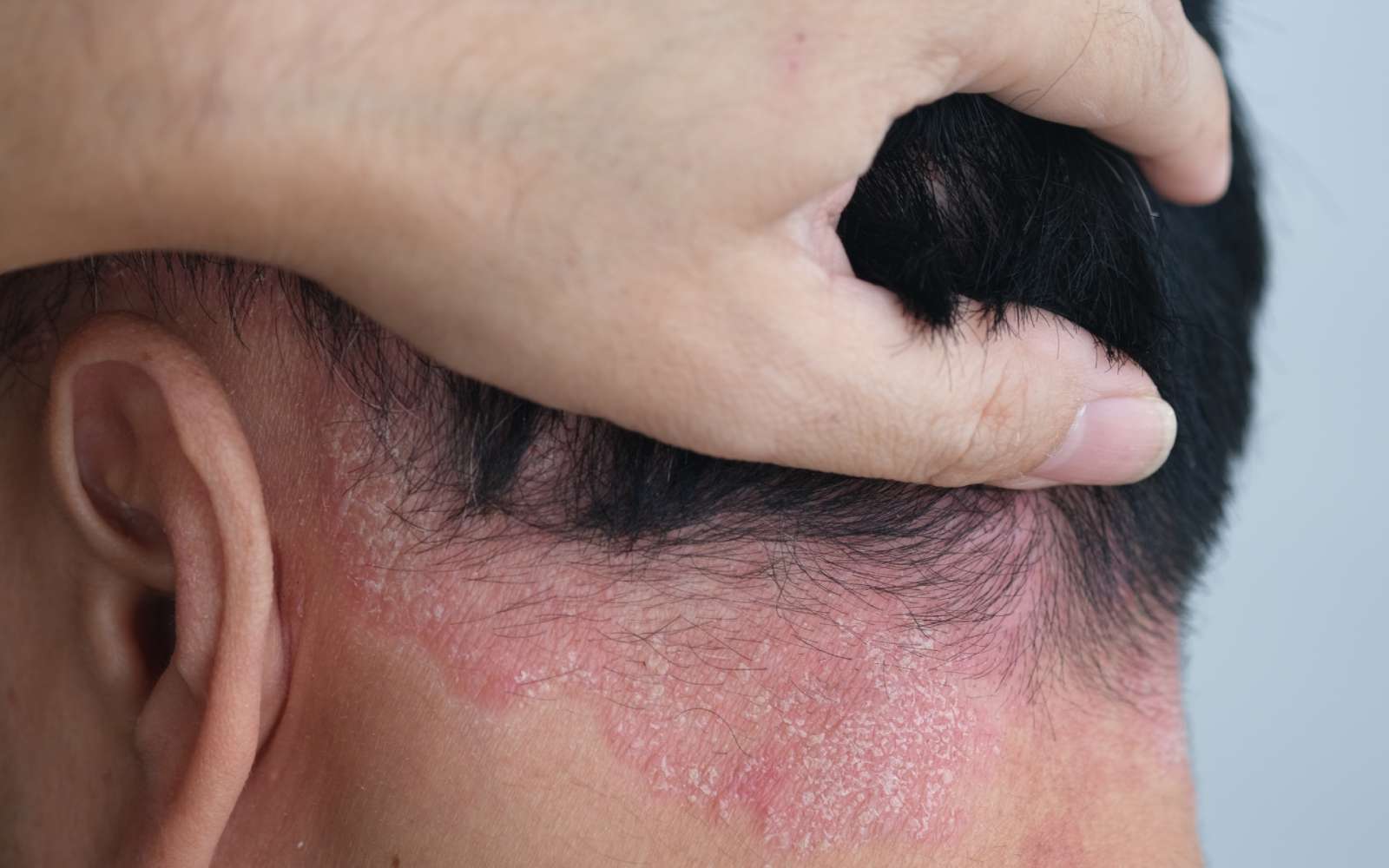
Dermatomyositis (DM) is essentially an autoimmune “civil war.”
The body mistakenly attacks two strategic regions at once: the muscles—leading to profound weakness—and the skin—causing painful, unmistakable rashes.
Conventional treatments try to stop this internal fight by suppressing the entire immune system. Effective? Often. But they come with high long-term costs.
Regenerative medicine, especially umbilical cord–derived stem cell therapy, offers a different, more precise philosophy. Instead of shutting the entire immune system down, it aims to re-educate the rogue immune cells and restore stability.
Below is a clearer look at how and why this approach works.
Why Dermatomyositis Is Such a Complex Disease
DM is an autoimmune condition driven by immune cells that can no longer distinguish friend from foe. They launch a sustained assault on the tiny blood vessels supplying the skin and muscles.
This leads to two defining symptoms:
1. Progressive Muscle Weakness
Patients often notice trouble rising from a chair, climbing stairs, or lifting their arms—muscles closest to the torso are hit hardest.
2. Signature Skin Rashes
The heliotrope rash (purplish eyelids) and Gottron’s papules (raised bumps on knuckles) are classic signs of ongoing vascular inflammation.
The core issue?
An immune system stuck in permanent “attack mode.”

Why Umbilical Cord Stem Cells Act Like the Ideal Peacekeepers
Traditional drugs act like flipping the entire immune system OFF.
Mesenchymal Stem Cells (MSCs)—particularly those derived from umbilical cords (UC-MSCs)—take a different approach: precision modulation.
UC-MSCs are preferred because they are:
- Exceptionally Potent: Derived from young, biologically active tissue.
- Immune Privileged: Rarely rejected, making donor cells safer to use.
- Highly Intelligent Responders: Naturally drawn to sites of inflammation.
Once inside the body, they release carefully targeted signals—not to silence the immune system, but to restore balance. Think of them as diplomats entering a war zone with a mission: calm the aggressors, protect the civilians, and rebuild what’s been damaged.
How UC-MSCs Help Stop the Attack and Promote Healing
1. Calling a “Ceasefire”: Immune Re-Education
This is the heart of stem cell therapy for DM.
What UC-MSCs do:
- Calm overactive T-cells and B-cells
- Promote Regulatory T-cells (Tregs), the natural peacekeepers
- Pull the immune system out of “attack mode”
2. Cooling the “Hotspots”: Anti-Inflammatory Effects
With the inflammatory signals dialed down, the constant burning damage to muscles and vessels begins to ease.
What patients often experience:
- Reduced muscle pain
- Drop in CK (creatine kinase) levels
- Gradual fading of rashes
3. Rebuilding After the Battle: Anti-Fibrosis & Regeneration
Chronic DM frequently leads to muscle scarring (fibrosis), making movement stiff and weak.
What UC-MSCs support:
- Release of growth factors
- Prevention or reversal of fibrosis
- Encouragement of muscle tissue repair
- Restoration of strength over time
What the Research Actually Shows
Stem cell therapy for DM is still investigational—not a standard cure. But early clinical evidence is extremely promising, especially for patients who don’t respond to existing treatments.
Across multiple small trials:
Safety:
UC-MSCs show an excellent safety profile in autoimmune patients.
Clinical Benefits:
Researchers consistently report measurable improvements:
- Better muscle strength (via MMT scores)
- Significant reductions in CK levels
- Improved daily functionality
- Reduced skin inflammation
These findings reinforce that UC-MSCs can both rebalance the immune system and support tissue repair—two things standard drugs cannot do simultaneously.
A New Path Forward for Autoimmune Healing
For many Dermatomyositis patients, traditional treatments force a difficult compromise: control the disease, but endure the side effects.
Umbilical cord stem cell therapy represents a fundamentally different vision. It focuses on restoring immune balance—not suppressing it—while supporting the body’s natural healing.
It opens the door to the possibility of long-term remission, fewer side effects, and a better quality of life.
If you’d like to explore the latest breakthroughs in regenerative medicine and understand whether this therapy may be right for you, our medical team is ready to guide you through a personalized consultation.