
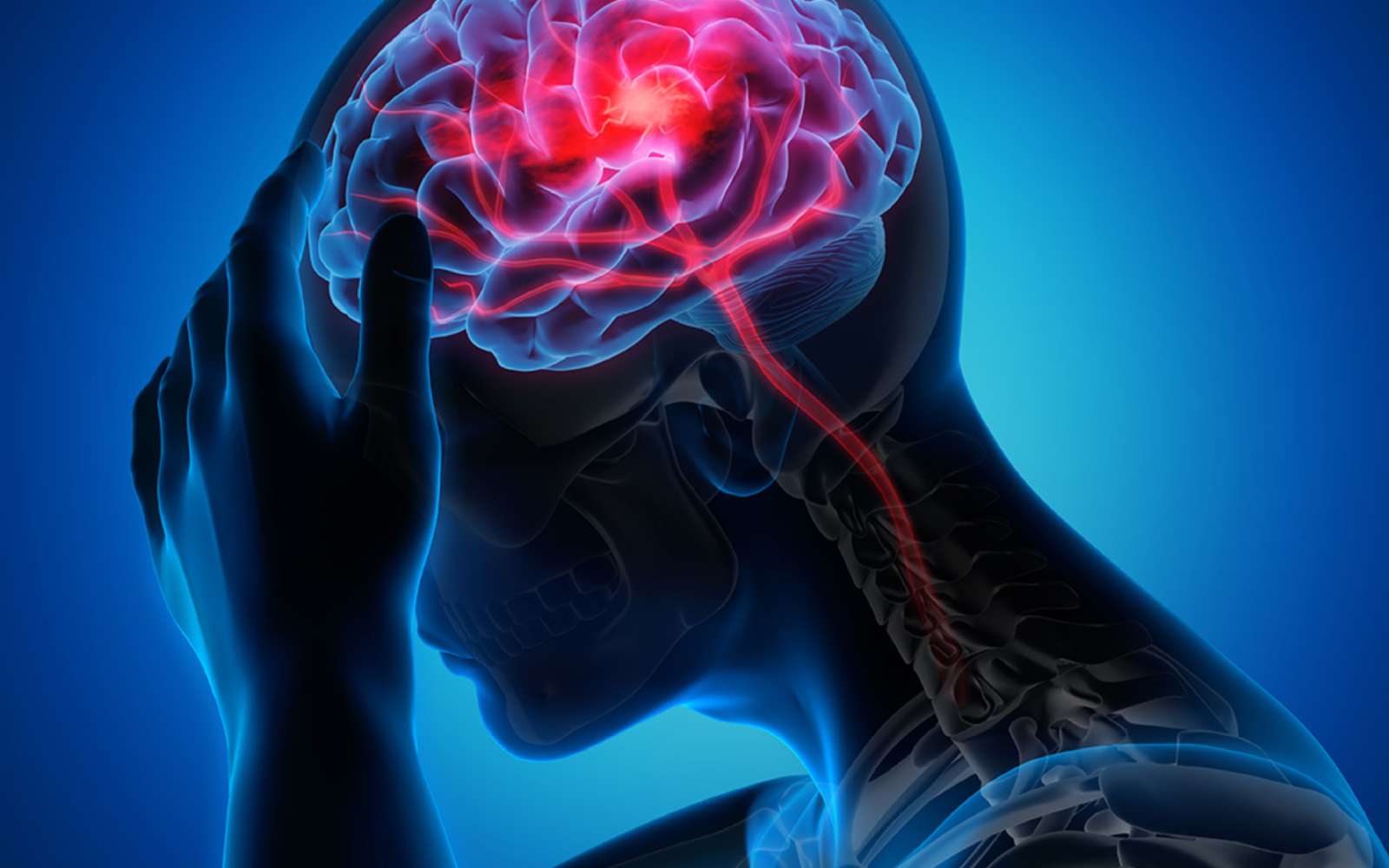
A stroke strikes without warning—cutting off communication within the brain and leaving a profound impact on mobility, speech, and independence. Even after the emergency phase passes, many patients face a long, demanding rehabilitation journey. Traditional therapies such as physiotherapy, occupational therapy, and speech therapy remain the backbone of recovery, but progress is often slow.
In recent years, researchers have begun exploring a new form of biological support: umbilical cord stem cell therapy for stroke recovery. This therapy doesn’t reverse time or erase the stroke, but it may help create a healthier healing environment inside the brain—supporting recovery in ways traditional methods cannot.
This article explores how these unique cells may work and why they are receiving increasing scientific attention.
A Different Kind of Damage: What a Stroke Leaves Behind
A stroke is essentially an interruption of blood flow to the brain. It appears in two major forms:
1. Ischemic Stroke
A clot blocks a vessel, preventing oxygen-rich blood from reaching brain cells.
2. Hemorrhagic Stroke
A weakened blood vessel bursts, causing bleeding inside the brain.
Once oxygen supply is lost, neurons begin to die quickly. But the larger challenge unfolds afterward:
- The region surrounding the damaged core becomes unstable.
- Inflammation rises sharply.
- Scar tissue forms, limiting the brain’s ability to rebuild pathways.
This chaotic internal environment is one of the main barriers to meaningful recovery.

Why Umbilical Cord Stem Cells Are Being Studied for Stroke Recovery
Scientists are turning toward Mesenchymal Stem Cells (MSCs) obtained from the umbilical cord—specifically the Wharton’s Jelly—as a potential supportive treatment in stroke rehabilitation.
These cells are of great interest because they are:
• Naturally anti-inflammatory
They help calm harmful inflammation that worsens stroke injury.
• Highly regenerative
They release a wide range of growth factors that support tissue repair.
• Ethically obtained
Collected from umbilical cords after healthy births—no ethical concerns.
• Immune-friendly
Their low immunogenicity allows them to be used safely across different patients.
These cells don’t replace neurons or become new brain tissue. Instead, they work like biological messengers, instructing the body how to repair itself.
How Umbilical Cord Stem Cells Support Recovery After Stroke
Once delivered into the body, UC-MSCs respond to chemical signals released by damaged brain tissue. Their actions unfold in several key phases:
1. Reducing Harmful Inflammation
After a stroke, inflammation can become excessive, damaging nearby healthy tissue.
The UC-MSC Role:
They help “dial down” this inflammation, protecting vulnerable cells and limiting secondary injury.
2. Supporting Surviving Neurons
Not all brain cells near the stroke site die immediately; many remain fragile and dysfunctional.
The UC-MSC Role:
They release neuroprotective molecules that help these neurons stabilize and recover.
3. Encouraging New Blood Vessel Growth
Healthy blood flow is essential for repair, but stroke often destroys small vessels.
The UC-MSC Role:
They promote angiogenesis—the formation of new microvessels—improving oxygen and nutrient supply to the healing region.
4. Enhancing Neuroplasticity
Recovery depends heavily on the brain’s ability to reorganize and create new communication pathways.
The UC-MSC Role:
They release factors like BDNF that support neuroplasticity, helping the brain relearn movement, coordination, and speech.
These actions do not replace rehabilitation—but may significantly enhance its effectiveness.

What Studies on Stem Cell Therapy for Stroke Have Found So Far
Research on stem cell therapy for stroke is growing worldwide. Although still investigational, the findings have been consistently positive in two important ways:
1. Confirmed Safety
Clinical trials show that umbilical cord MSCs are generally safe and well-tolerated, even long after a stroke.
2. Promising Functional Improvements
Many studies report better outcomes in treated patients, such as improvements in:
- Mobility
- Daily activity performance
- Cognitive function
- Speech and coordination
- Overall neurological scores
These results are not guaranteed, but they indicate meaningful therapeutic potential—especially as a complement to rehabilitation.
A New Direction in Stroke Recovery
For years, stroke rehabilitation focused solely on adapting to long-term disability. Regenerative medicine introduces a new perspective: supporting the brain’s own repair mechanisms to improve functional outcomes.
Umbilical cord stem cell therapy is not a cure, nor does it reverse the stroke. But it may offer a valuable boost—reducing inflammation, protecting brain tissue, and helping the brain rebuild itself more effectively.
If you are exploring regenerative options for stroke recovery, our medical team can guide you through the latest research, eligibility considerations, and treatment pathways.