
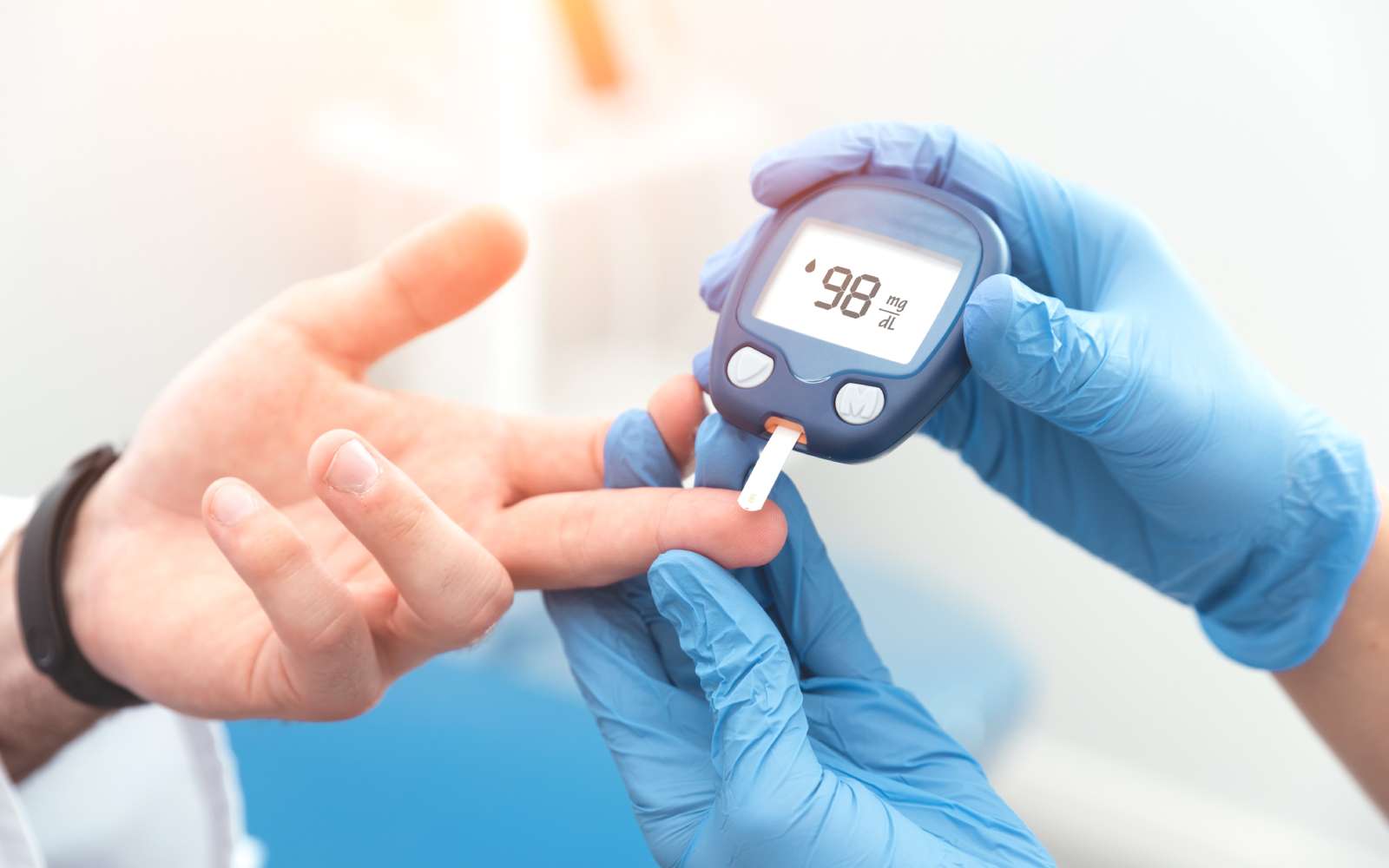
For years, diabetes treatment has followed the same familiar pattern: monitor blood sugar, adjust insulin, repeat. While these tools save lives, they were never designed to fix the deeper biological problems that cause diabetes in the first place. They manage the condition—not rebuild what’s damaged.
Today, a new wave of medical innovation is shifting that narrative. Regenerative medicine, particularly therapies involving umbilical cord–derived stem cells, is opening the door to a different kind of solution—one aimed at restoring balance inside the body itself.
This article explores how this new field works, what current research shows, and why many scientists believe it could transform the future of diabetes care.
Why Diabetes Remains So Hard to Treat
Diabetes isn’t a single malfunction; it’s a complex set of biological failures involving hormones, inflammation, and the immune sDiabetes isn’t a single malfunction; it’s a complex set of biological failures involving hormones, inflammation, and the immune system. That’s why insulin alone cannot fully address it.
Type 1 Diabetes: The Immune Breakdown
The primary problem isn’t the pancreas—it’s the immune system. The body destroys its own insulin-producing cells, leaving patients dependent on external insulin.
Type 2 Diabetes: The Metabolic Slowdown
Cells gradually stop responding to insulin, largely because of chronic inflammation. The pancreas struggles to compensate, eventually wearing out.
A treatment capable of helping patients must address immune dysfunction, inflammation, or both, depending on the type of diabetes. This is where regenerative science steps in.

A New Therapeutic Ally: Umbilical Cord Mesenchymal Stem Cells
Among the many types of stem cells being studied, scientists are paying special attention to Mesenchymal Stem Cells (MSCs) from umbilical cord tissue. These cells aren’t used because they replace organs directly—they’re used because of what they signal inside the body.
Researchers value them for several reasons:
Naturally Available and Ethical
Collected after a healthy childbirth, umbilical cord tissue provides a non-controversial, renewable source of potent cells.
Highly Regenerative
These young cells multiply rapidly and show a strong ability to promote healing.
Low Risk
They are considered “immune-friendly,” meaning patients typically tolerate them well without major complications.
Powerful Communicators
Instead of becoming new organs, UC-MSCs influence the body by sending biochemical signals that reduce inflammation and protect tissue.
In short, umbilical cord MSCs act less like replacement parts and more like a biological command center for healing.

How These Cells Influence Diabetes
What makes this therapy interesting is not a single dramatic effect, but a combination of mechanisms that target different aspects of diabetes biology.
1. Resetting Immune Activity — Critical for Type 1
If Type 1 diabetes is driven by an over-aggressive immune system, UC-MSCs work like moderators.
They release signals that calm immune cells, reducing the attack on pancreatic β-cells. This may help preserve whatever natural insulin function still remains.
2. Reducing Inflammation — Essential for Type 2
Chronic inflammation disrupts how the body responds to insulin. Umbilical cord stem cells release molecules that dial down this inflammation, helping improve metabolic function.
Research shows they can:
- Improve insulin sensitivity
- Reduce blood sugar markers like HbA1c
- Protect pancreatic cells from further decline
This makes UC-MSCs a promising support therapy for Type 2 diabetes.
3. Replacing Lost Cells — The Frontier for Type 1
In laboratories, scientists have successfully guided UC-MSCs to become insulin-producing cells. The long-term goal: restore natural insulin production in Type 1 patients.
This approach is still in development, but it represents a potential leap forward.
What Clinical Research Is Showing So Far
While this field is still emerging, results from human trials are increasingly consistent:
For Type 2 Diabetes:
- Lower HbA1c levels
- Better insulin sensitivity
- Reduced inflammation markers
For Type 1 Diabetes:
- High safety across studies
- Preservation of C-peptide levels (evidence the pancreas is still working)
- Reduced insulin requirements in some newly diagnosed patients
These findings support the idea that UC-MSCs help influence the underlying environment that drives diabetes—not just the symptoms.

A New Philosophy in Diabetes Treatment
Regenerative medicine does not replace insulin today, nor does it claim to cure diabetes. But it represents a new medical philosophy: Instead of managing the disease indefinitely, aim to repair the biological systems that make diabetes so difficult to control.
As research advances, umbilical cord MSCs may become a key pillar in a more regenerative, restorative approach to diabetes care.
The path forward is still unfolding, but the direction is clear:
Diabetes treatment is expanding from symptom management toward true biological restoration.